How is AI Transforming the Manufacturing Sector?
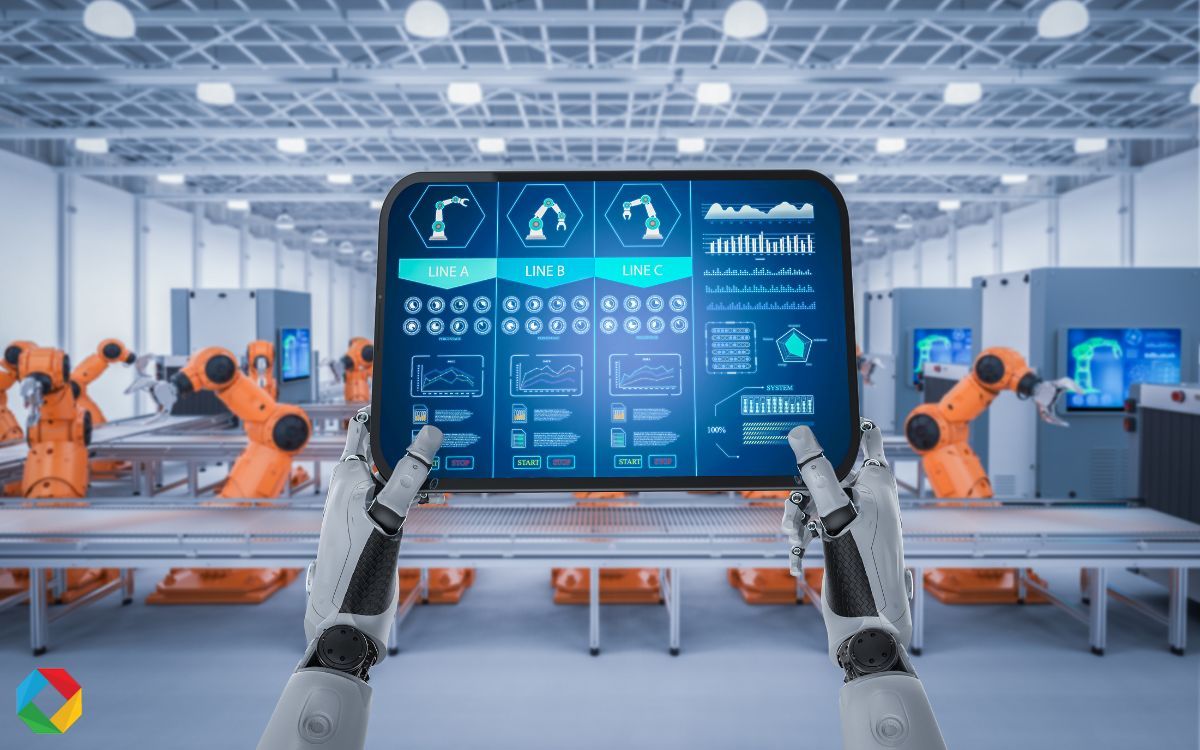
Undoubtedly, more than 60% of manufacturing organisations are utilising AI to reduce downtime and ensure high-quality end products in the industrial sector. Additionally, manufacturing businesses are integrating AI-based analytical tools into their information systems to increase productivity.
Factory AI impacts the smart maintenance of the production environment. To avoid sudden damage to machinery, plants use predictive solutions. These manufacturing organisations' AI-enabled solutions can predict equipment failure before it results in damage.
Artificial intelligence (AI) has many advantages for manufacturers. Here are a few manufacturing-related AI use cases that business leaders should explore.
How Is Artificial Intelligence (AI) Affecting The Manufacturing Execution?
AI technologies have gained tremendous growth over the past few years. Its impact is on every sector, such as the manufacturing sector. Here are some ways that artificial intelligence technology is impacting manufacturers.
Manufacturers continuously launch AI robots on the assembly line to guarantee a safe workplace and improve productivity.
Manufacturers can find product defects and issues with quality and design using AI.
With a combination of Machine learning, Artificial Intelligence, and industrial revolution technologies, manufacturers can start creating thousands of design concepts in just a few seconds. Such design ideas assist manufacturers in generating end-product in a unique structure.
AI solutions can help manufacturers handle inventory and balance supply and demand. AI inventory management systems or demand forecasting technologies can help manufacturing organisations manage inventory levels and secure profitable business.
What role does AI play in the manufacturing industry?
Here are the ideal AI applications in the manufacturing industry.
Quality assurance
It is the maintenance of a desirable level of quality in a service or product. Assembly lines are interconnected, data-driven and autonomous networks. These assembly lines collaborate based on variables and algorithms that offer guidelines to produce superior end products.
AI sensors can monitor the differences from the standard outputs using machine vision technology since most defects are visible. AI systems warn users when a final result is of lower quality than expected so that they can take action to make corrections.


Comments
Post a Comment